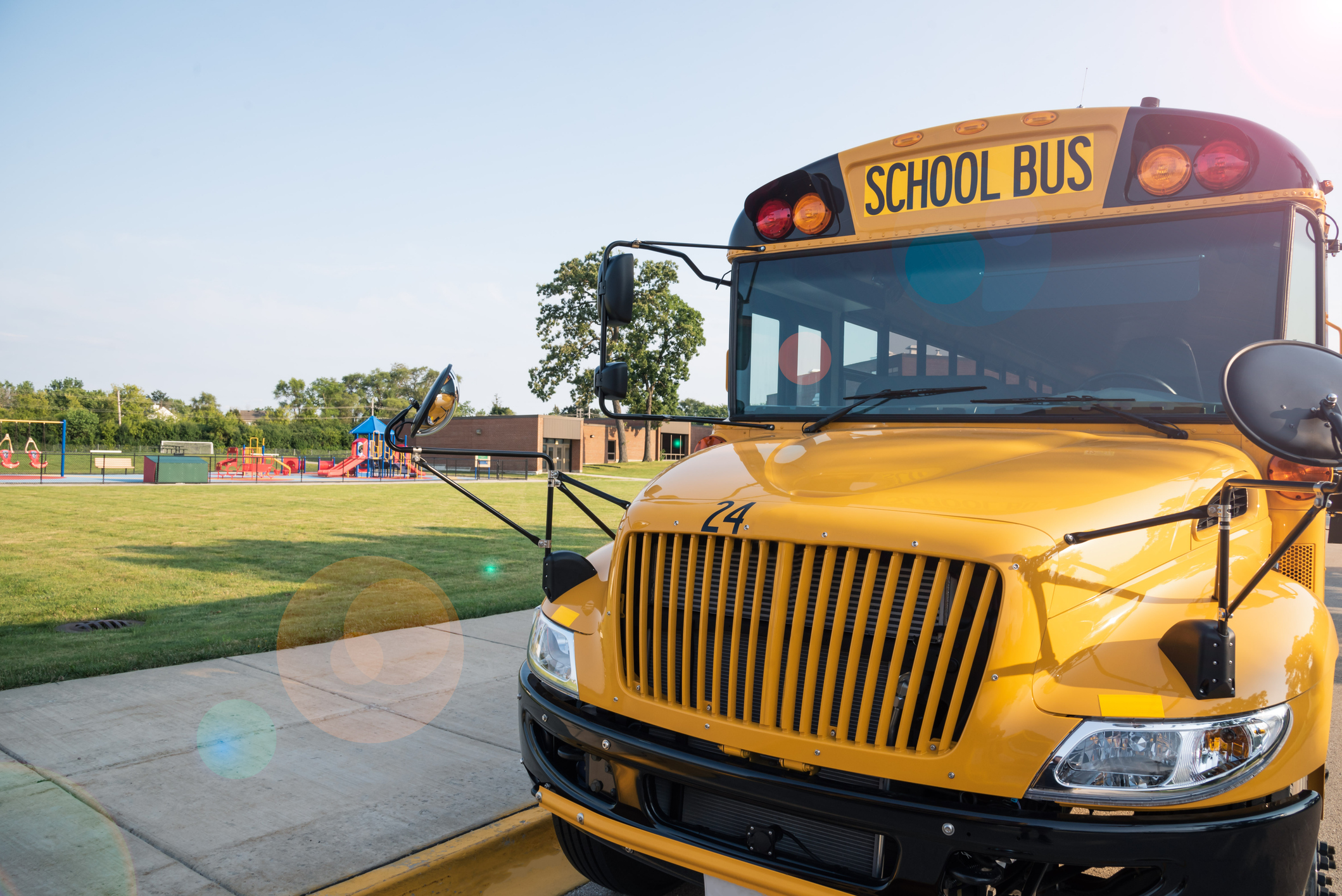
School trips are an important part of the learning process. Visits to museums, historical sites, nature centers, and different states or countries can help kids broaden their horizons and gain confidence in real-world scenarios.
At the same time, class trips provide great opportunities for students and staff members to bond. And they also help build trust and supplement classroom lessons.
That said, accidents can happen on school trips. When they do, having a proper response system in place can make all the difference between a sigh of relief and an avoidable tragedy.
Keep reading to learn about some of the top issues that can come up during school trips — and what your district can do to improve safety and reduce liability, ensuring each trip is a success.
 Top Challenges With School Trips
You might plan the best school trip of all time. Still, there are a number of factors outside your control that can turn a trip outside school into a major headache. With that in mind, let’s take a look at some of the main challenges districts encounter during school trips.
1. Transportation Issues
Trips require tight coordination between administrators, transportation providers, teachers, students, and parents. For trips to succeed, districts need to secure travel accommodations, submit payments, gain administrative approval, and confirm schedules. Even a small lapse in communication can strand students and faculty members, causing delays and angering parents.
On top of this, you never know when a bus that’s taking kids to the destination can break down, get into an accident, or get stuck in traffic. You need to prepare for each of these contingencies.
2. Behavioral Problems
Student behavior can be unpredictable on school trips. When students act out, they can disrupt learning experiences and create potentially dangerous situations. Teachers and administrators must prepare for issues like fighting, bullying, theft, and vandalism — all of which can have serious repercussions.
3. Medical Issues
Faculty members need to be on constant alert when they’re traveling with groups of students. Students can become ill even on field trips and require emergency treatment. What’s more, students are also at risk from allergies, mental health challenges, and physical injuries, to name a few examples. It is therefore critical that chaperones have fast access to student health data and emergency contact information so they can rapidly spring to action if an incident strikes.
4. Missing Students
Taking a trip requires venturing out beyond secure school borders, which can be a nerve-wracking experience for teachers and administrators. Students can wander off, talk to strangers, and wind up missing. All it takes is a few seconds of negligence on a supervisor’s part to lose track of a student.
5. Financial Issues
School trips can be expensive ordeals. They often involve meals, transportation, event tickets, and sometimes lodging. As such, districts need to have a system in place that covers expenses and prevents faculty members from having to pay excessive amounts of money out of pocket.
How to Reduce Liability on School Trips
Now that you’re aware of some of the major issues involved with school trips, let’s take a look at some tips that should help you reduce liability and increase the chances your next trip goes smoothly.
1. Plan Ahead
Districts need to plan ahead of time and iron out all the details before students and faculty members hit the road.
For example, if you’re heading to a local historical site, you might consider taking a runthrough of the activity ahead of time to learn the lay of the land and get an idea of what the experience will be like. At this point, you can identify potential hazards, go through emergency protocols, and outline emergency response.
You should also relay details to all participants ahead of time like dressing for the weather or the venue and planning for accommodations like lunch or snacks.
Before a big overnight trip, it’s a good idea to have a coffee hour with parents and invite them in to ask questions and go over trip details. This is a solid opportunity to build trust and eliminate confusion. Plus, you might be able to round up more chaperones.
2. Set Firm Permission Slip Deadlines
Permission slips indicate a parent’s approval of sending their child off school grounds. Sending a student on a trip without a permission slip is a serious oversight — one that can expose your district to legal risk.
To avoid that outcome, districts need to be firm about permission slip deadlines. That way, you can ensure that you have enough time to collect and process forms — and that only authorized students end up going on the trip.
One easy way to facilitate the permission slip process is by using an online school management system, like FinalForms, that enables you to collect and store permission slips and other forms electronically.
3. Build an All-Star Team of Chaperones
In addition to teachers and faculty members, chaperones play a huge role in making sure field trips are successful. By using chaperones, teachers can spend less time supervising and organizing students and more time teaching and working with kids during opportune times.
To illustrate, you might have a science teacher who is a wildlife expert. During a trip to the zoo, you want the teacher to engage with students directly to provide knowledge and supplement the experience. This is very difficult to accomplish when the teacher has to run around and keep kids in line.
As such, it’s a great idea to enlist the help of cool-headed, responsible chaperones. Parents and caregivers often have existing bonds with kids, which helps to maintain order and reduce problems. They can take care of much of the heavy lifting, allowing the experience to run more smoothly.
You may also want to reward chaperones and thank them for their hard work. For example, you might consider offering gift cards and free lunch to volunteers in order to encourage more parents to sign up for future events.
4. Create a Code of Conduct
Even the best students can test boundaries and act differently outside normal classroom environments. Poor behavior can disrupt lessons and lead to complaints from guests and employees.
In light of this, it’s very important to set clear rules for students, faculty members, and chaperones before allowing them to leave school grounds. Review the rules with all parties before leaving and require participants to sign a code of conduct if they wish to attend. Normal school rules should apply during field trips so you will need to draw heavily from your school’s official code of conduct when outlining trip policies.
5. Use a Digital School Management Solution
Suffice it to say that problems happen when you least expect them. When something unpredictable happens, you need to have a plan in place that outlines how you’re going to respond.
One of the best ways to reduce liability is to use a digital solution that gives you rapid access to emergency contact information and medical information over a smartphone or connected device. This way, staff members and volunteers can immediately find the information they need and notify emergency contacts when an incident occurs.
Without such a tool in place, supervisors often have to resort to searching through paper forms or calling school officials and requesting contact information. This takes extra time, which potentially delays treatment and leaves family members in the dark too long.
How FinalForms Streamlines Safety During School Trips
If you’re looking to reduce risk on school trips, FinalForms can help. The platform gives districts a single solution for registration, communication, and risk management, enabling schools to digitize the entire student management process including field trip management.
Relay Itinerary Departures
Unfortunately, itineraries don’t always go according to plan. That being the case, supervisors need to keep administrators and parents in the loop about traffic jams, weather events, and safety issues. With FinalForms’ built-in communication tool, districts can provide real-time updates to parents, staff, and students from a single app. It’s much easier than sending emails and text messages, and it’s much more convenient than making phone calls.Manage Permission Slips
When it comes to collecting and reviewing permission slips, there’s no room for error. Thanks to its ability to facilitate permission slips electronically, this is another area where FinalForms shines. Simply put, FinalForms gives parents and staff an easy, reliable, and modern way to handle permission slips.View Medical Records
Since safety is a top priority, trip supervisors need to have easy access to each student’s emergency medical information at all times. Having outdated or missing medical records is a liability that can put students at risk — and have lasting repercussions for staff members. FinalForms E-Cards give districts real-time medical information and health alerts from a secure mobile app. For added convenience, districts can also opt to print these forms, taking a paper and digital copy with them just in case.
Take No Chances With FinalForms
When it boils down to it, field trips are a critical part of the educational experience. But they also carry real risk, one that can turn into a serious problem if you don’t prepare and have the right online student management system in place.
Field trip incidents do happen, and they’re often tied to poor communication, sloppy record-keeping, or unreliable supervision. Each of those is preventable with the right systems in place.
With so much on the line, there’s no sense in taking any chances. By streamlining school trips with FinalForms, you can take the guesswork out of trip coordination, enabling you to rest comfortably knowing your kids are safe when they leave school grounds.
To learn more about how FinalForms can transform your next field trip, schedule a free demo today.