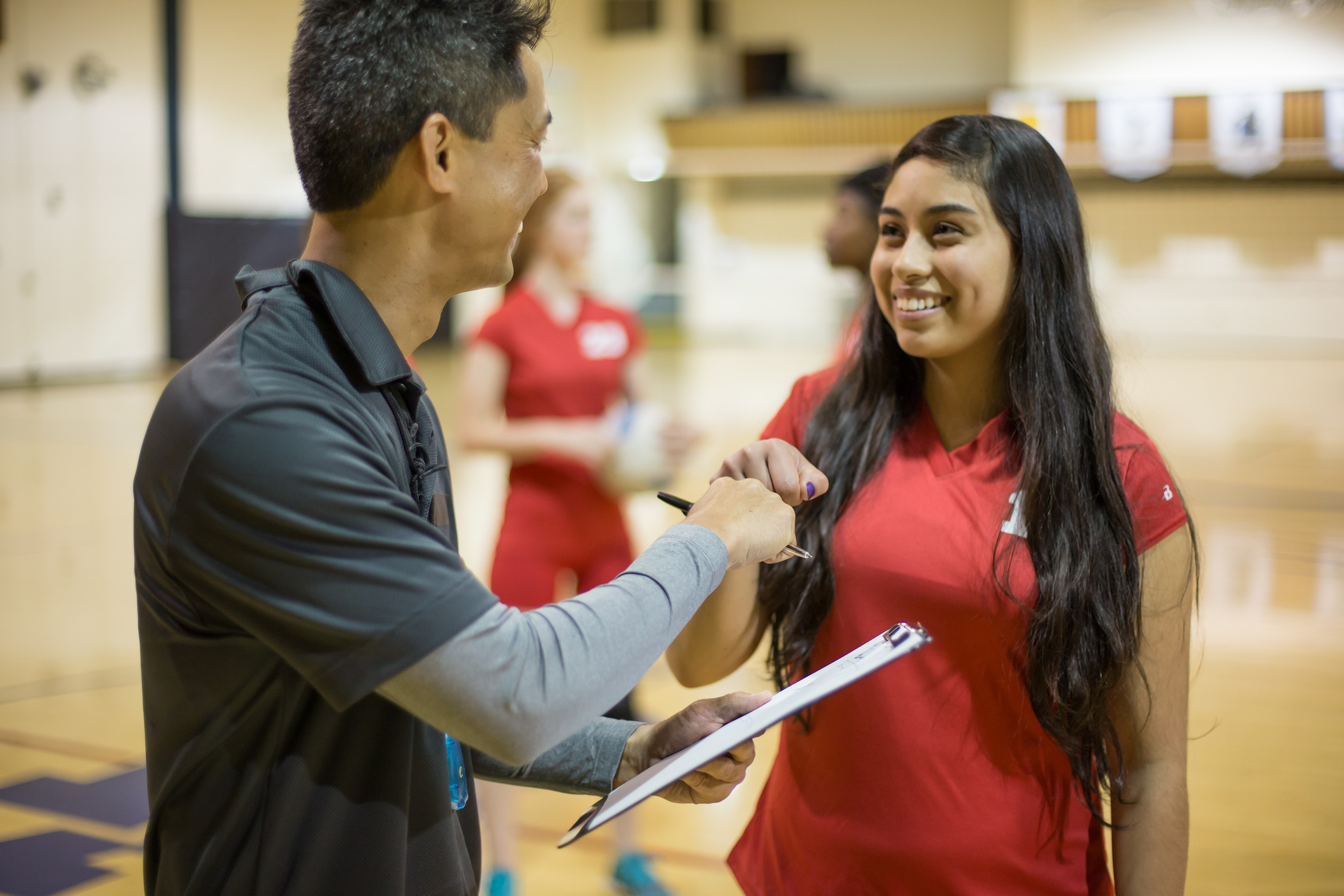
Fall coaches meetings are happening right now, and the success of this one meeting can shape the next three months. It is where eligibility and compliance gaps get caught before week one, where coaches align on safety protocols, and where the tone gets set for the whole season.
Here is an agenda that covers what actually needs to happen in that room, plus a quick-reference checklist that can be used to help run a great meeting.
 Before the Meeting: The Set Up for Success
A coaches meeting is only as useful as the structure around it.
- Come with a written agenda
Share it with coaches ahead of time so they know what to expect and can come with questions. Prep some of your veteran coaches to share experiences and scenarios with the newer coaches throughout the meeting. - Think outside the box on scheduling
The NFHS suggests trying to utilize existing professional development or in service days, or even scheduling before the school day begins…and bring breakfast! - Make it engaging, not a lecture
Move away from a lecture-style format, incorporate interactive activities, icebreakers, and team-building exercises. Here are some activity ideas from the NFHS. - Start on time
Always start on time. Coaches are busy; respecting the clock and their schedule sets the tone for the rest of the meeting. - Have handouts or a recap email ready
Send a summary as soon as the meeting wraps so nothing gets lost between now and the first practice. Be sure to provide the necessary and referenced resources in a google drive or dropbox that is easily accessible to coaches at all times.
Coaches Meeting Agenda for Athletic Directors
Compliance and Safety
This is the section coaches most need to leave with clear answers, not just information.
- Eligibility, compliance, and paperwork.
Explain how forms and paperwork will be collected and submitted. Confirm the process and timeline for physicals and parental consent forms and establish the importance of checking academic eligibility for every athlete before anyone steps on the field.
- Supervision rules
Reiterate coach responsibility for daily attendance logging, supervising locker rooms, buses, and practice areas before and after sessions. Gaps in supervision are one of the most common liability issues ADs face, so be specific about start and end times for coverage.
- Health and injury protocols
Walk through the emergency action plan (EAP), concussion protocol, heat acclimatization guidelines, and where first-aid kits and AED’s are located at each facility. Review the pre-event safety timeout so every coach knows the steps before an emergency, not during one.
Logistics and Operations
- Schedules and transportation
Distribute final practice and game calendars, bus departure times, and driver procedures. Set a deadline for identifying discrepancies so changes can be made. - Facility use
Clarify how shared spaces work, equipment check-out and return procedures, and field maintenance rules. - Game management
Outline expectations for hosting visiting teams, working with officials, and reporting scores.
Communication and Culture
- Parent communication
Set clear guidelines on how coaches should run their own meetings with parents or guardians and handle disputes if they come up
- Sportsmanship and philosophy
Reiterate state association rules, behavioral expectations for athletes and fans, and how all of this ties back to the school’s mission.
Quick-Reference Checklist
Print this, screenshot it, or drop it into your recap email.
______ Written agenda shared in advance
______ Physicals, consent forms, and academic eligibility process and timelines confirmed
______ EAP, concussion protocol, heat acclimatization guidelines, and first-aid locations reviewed
______ Pre-event safety timeout protocol covered
______ Locker room, bus, and practice area supervision expectations set
______ Final practice, game calendars, and transportation procedures distributed
______ Facility use and equipment check-out rules clarified
______ Game management expectations (visiting teams, officials, score reporting)
______ Parent communication guidelines set
______ Sportsmanship expectations and school mission reiterated
______ Recap email or handout sent before coaches leave the room
The Bottom Line
A good fall coaches meeting is not about covering everything in one sitting or treating it like a mandatory logistical hurdle. It’s about making sure every coach leaves knowing exactly what’s expected, where the gaps are, and who to call when something comes up. Get the agenda right, ensure your coaches have all the information they need, and the rest of the season runs a little smoother.